FIFTY YEARS
OF SIGNAL.
Ten moments that built two stations on opposite sides of the planet, eight languages of programming, and an uninterrupted broadcast into countries where the gospel is otherwise unwelcome.
The Vision
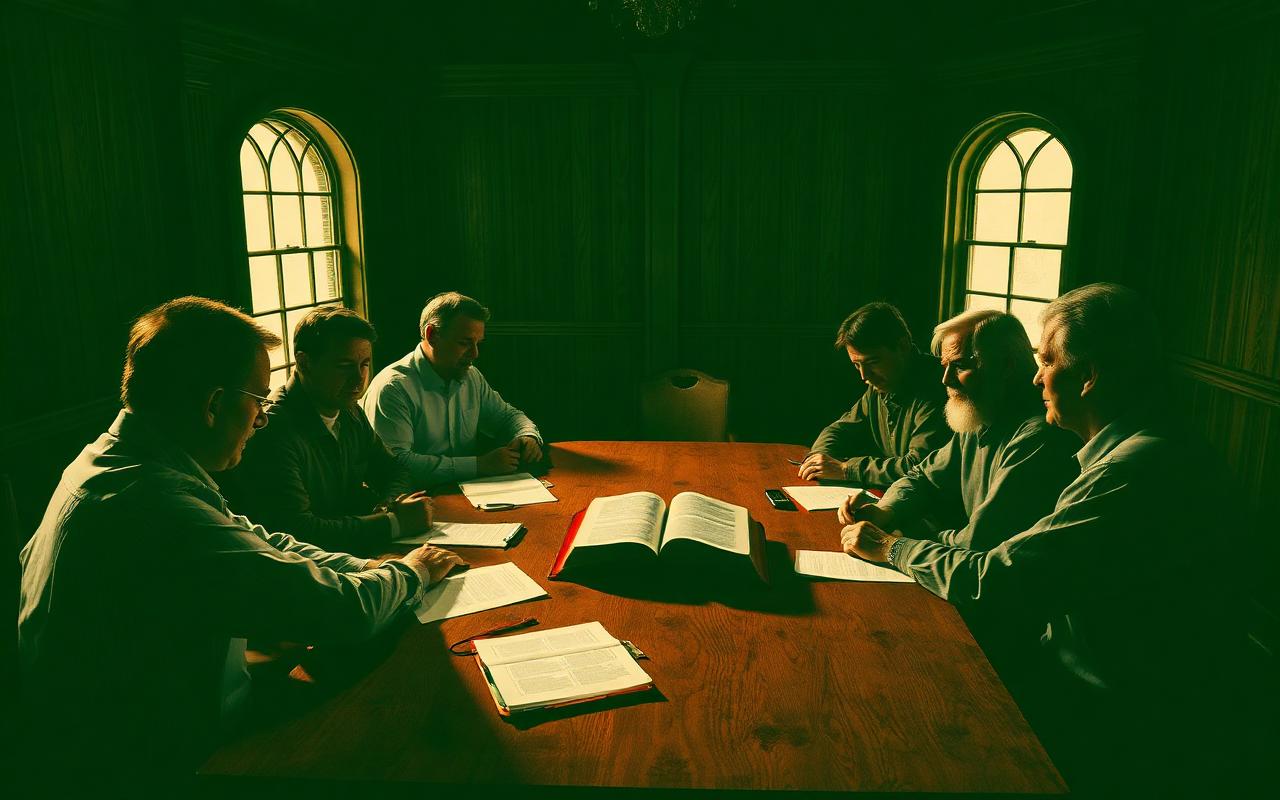
Charles Crain and a group of believers in Nashville, Tennessee incorporate World Christian Broadcasting with a singular mission: use shortwave radio to carry the gospel into countries where missionaries cannot go. At the time, shortwave is the only broadcast technology capable of crossing the Iron Curtain.
The founding group included engineers, broadcasters, and ministers who understood that shortwave radio could penetrate borders that were closed to everything else. Their target: the Soviet Union, China, and every nation behind the Iron Curtain.
The Land
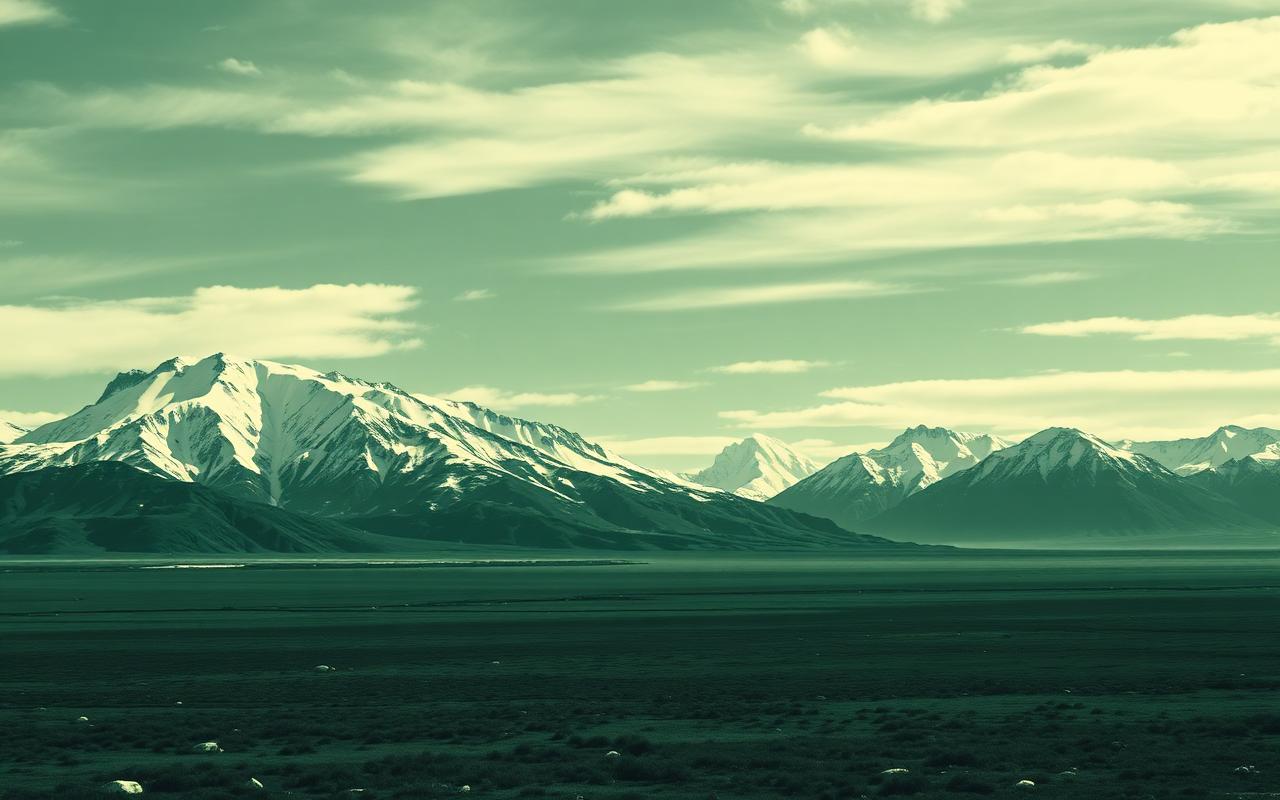
WCB acquires property at Anchor Point, Alaska — the westernmost point on the Alaska highway system and one of the most strategically located shortwave broadcast sites on Earth. From here, signals can reach deep into the Soviet Union, China, and the Pacific Rim.
The Anchor Point property sits at 59°N latitude, perfectly positioned for ionospheric propagation across the Pacific. The team recognized what few others saw: this remote Alaskan peninsula was one of the most strategically valuable broadcast sites on the planet.
First Transmission
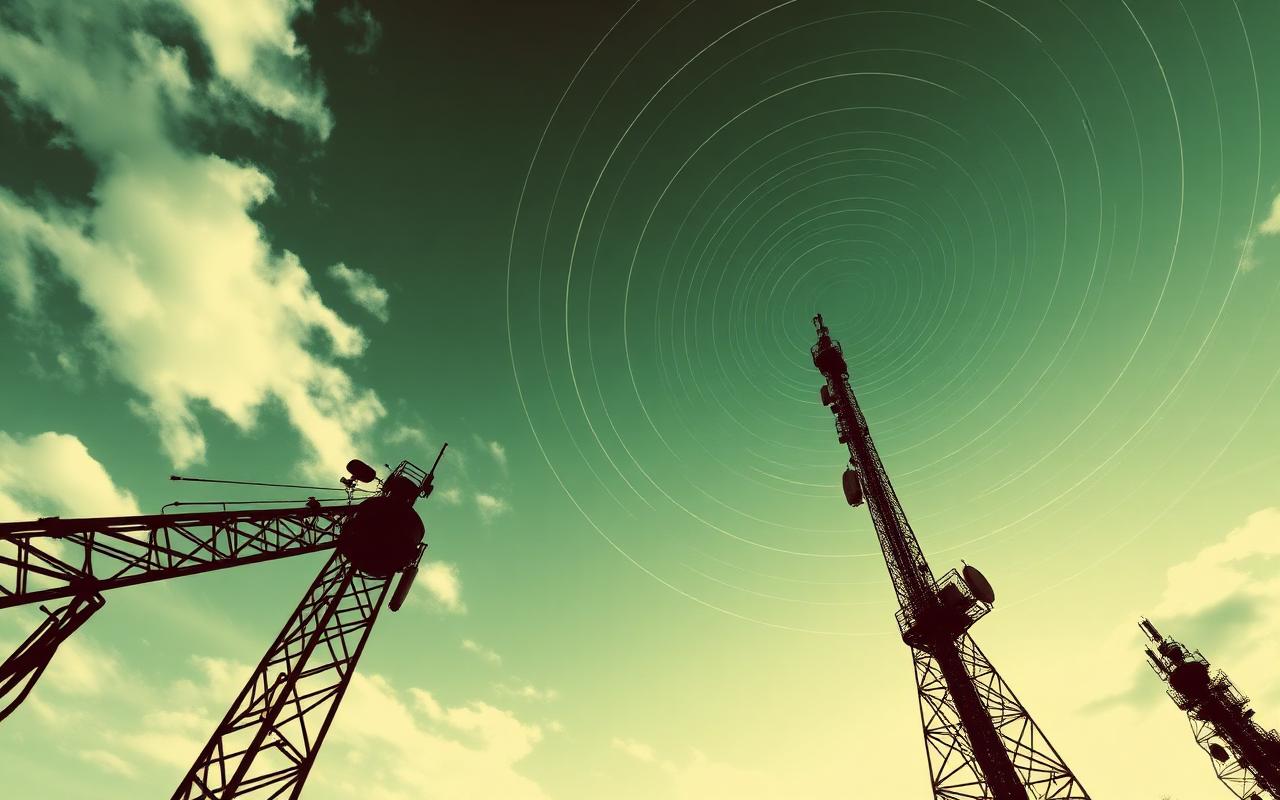
KNLS goes live. The first shortwave signal leaves Anchor Point and crosses the Pacific. Russian-language programming is the initial priority — millions of souls behind the Iron Curtain who have never held a Bible can now hear its words.
The first broadcast was in Russian. Within months, listener letters began arriving — mailed through elaborate chains of intermediaries to avoid government detection. Each letter confirmed: the signal was getting through.
The Wall Falls
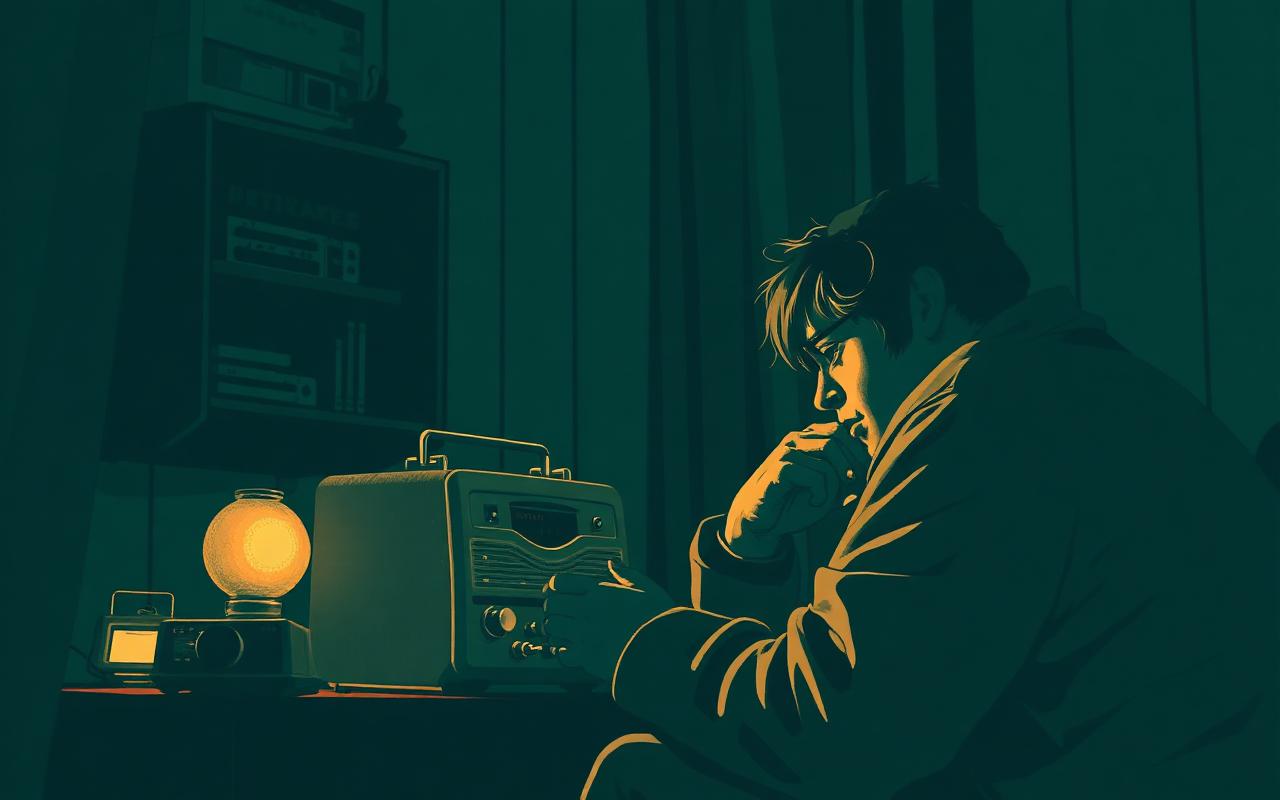
The Soviet Union dissolves. Letters begin pouring in from Russian listeners who had been tuning in secretly for years. Some had transcribed entire broadcasts by hand. WCB expands Chinese Mandarin programming to meet surging demand.
One Russian listener wrote that he had copied every word of every broadcast into handwritten notebooks. Over seven years, he had transcribed the equivalent of the entire New Testament. He had never seen a Bible.

Korea Calling
Korean-language broadcasting begins, targeting the most isolated nation on earth: North Korea. Defectors will later confirm that KNLS broadcasts reached listeners inside the country — one of the only outside information sources available.
North Korean defectors who later reached South Korea confirmed they had heard KNLS broadcasts. In a country with no free press, no open internet, and no legal church, the shortwave signal was a lifeline.
A Second Station
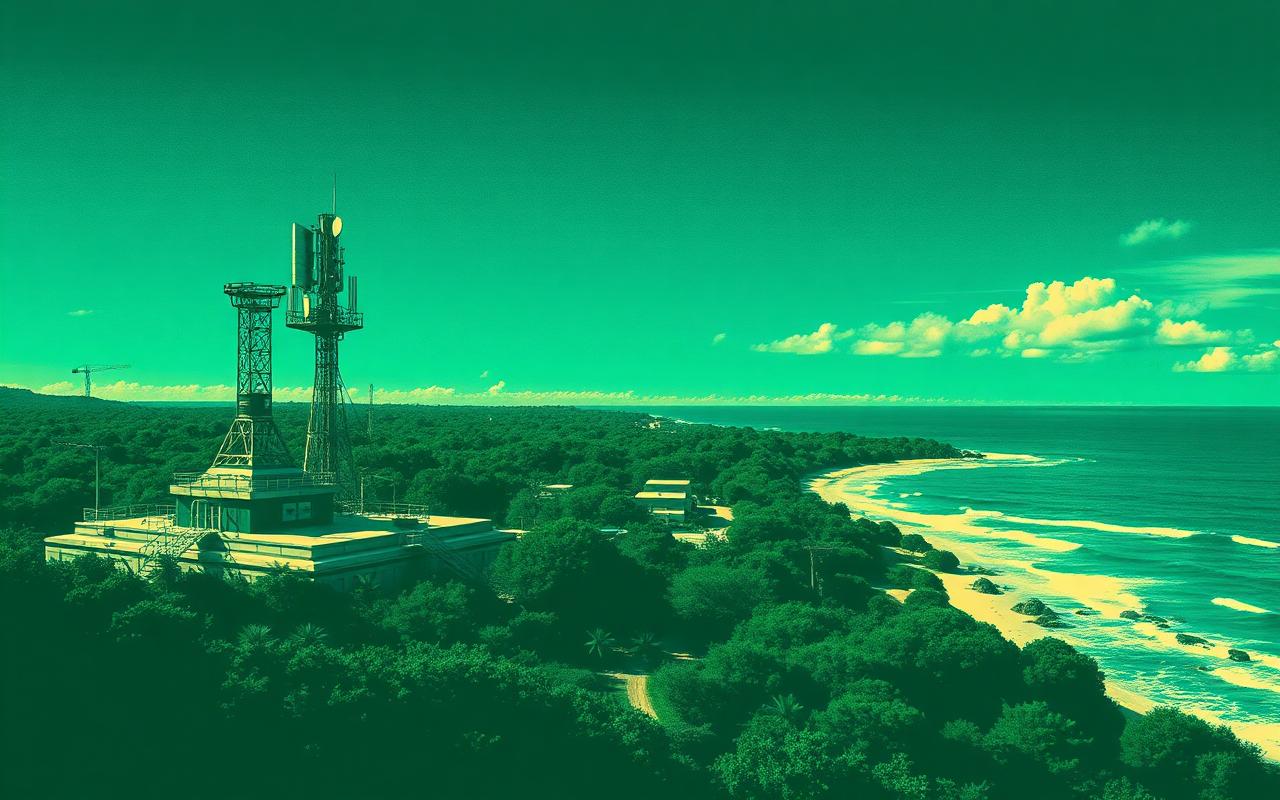
MWV in Mahajanga, Madagascar begins test broadcasts. The new facility dramatically expands WCB's footprint into Africa, the Middle East, and South Asia — regions previously unreachable from Alaska. Arabic-language programming launches.
The Madagascar facility added three high-power antennas aimed at Africa, the Middle East, and South Asia. Overnight, WCB's coverage expanded from the Pacific Rim to half the globe. Arabic-language programming launched within the first year.

Eight Languages
Programming expands to eight languages: Arabic, Chinese Mandarin, Russian, Korean, Portuguese, Spanish, English, and African languages. Every program is produced by native speakers in Franklin, Tennessee, then transmitted via satellite to both stations.
Every broadcast is produced by native speakers — not translators reading scripts, but hosts who speak with the accent, the humor, and the heart of the culture they serve. The studios in Franklin, Tennessee hum with eight languages daily.
Digital Bridges
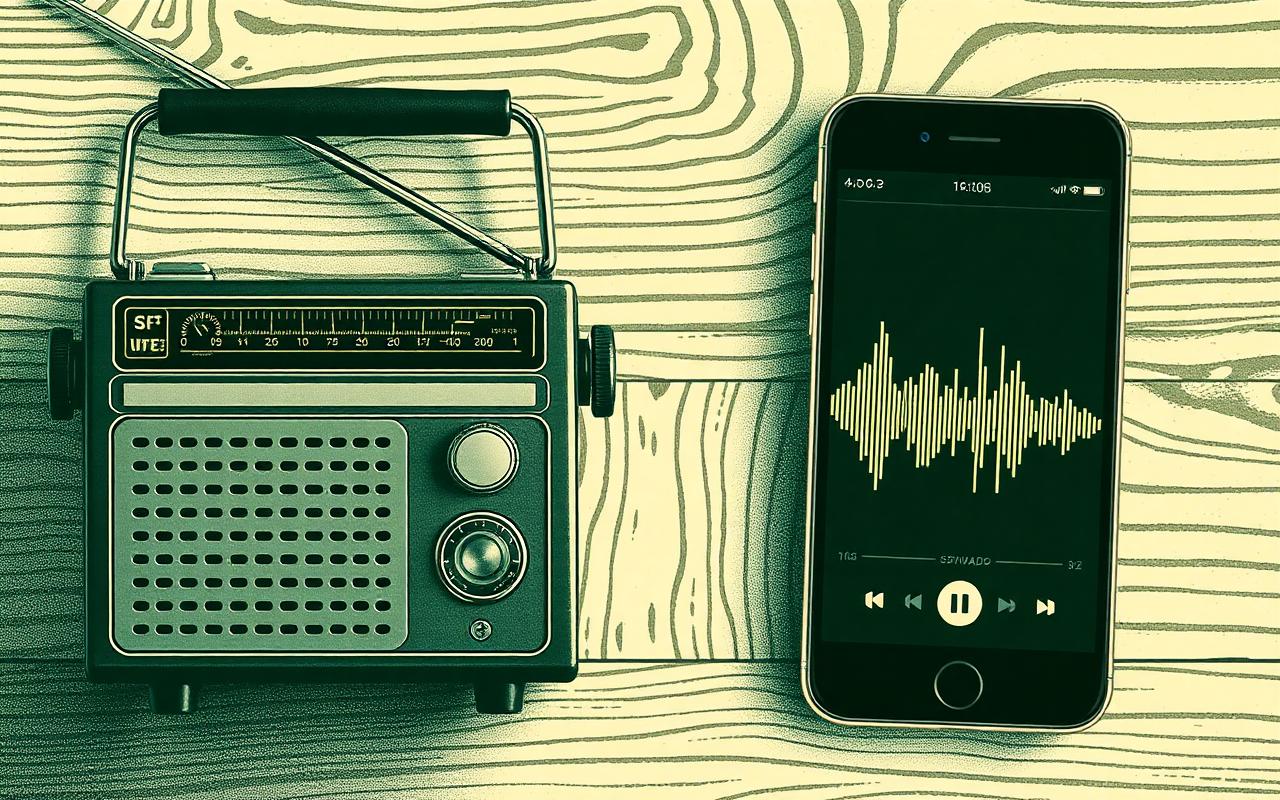
Online streaming launches alongside shortwave, allowing listeners with internet access to tune in on demand. The shortwave signal remains the primary channel — in restricted countries, it is still the only safe option.
For listeners in countries with internet access, streaming removed the static and scheduling limitations of shortwave. But in restricted nations, the analog signal remained irreplaceable — it leaves no digital footprint.
Pandemic Resilience
When COVID-19 shuts borders worldwide, WCB's shortwave signal continues without interruption. While missionaries are grounded and churches are closed, the broadcast keeps reaching. Listener correspondence surges as people isolated at home discover the signal.
During the pandemic's first year, listener correspondence increased by over 40%. Isolated people around the world, cut off from community and church, discovered a voice on the radio that had been there all along.
Fifty Years
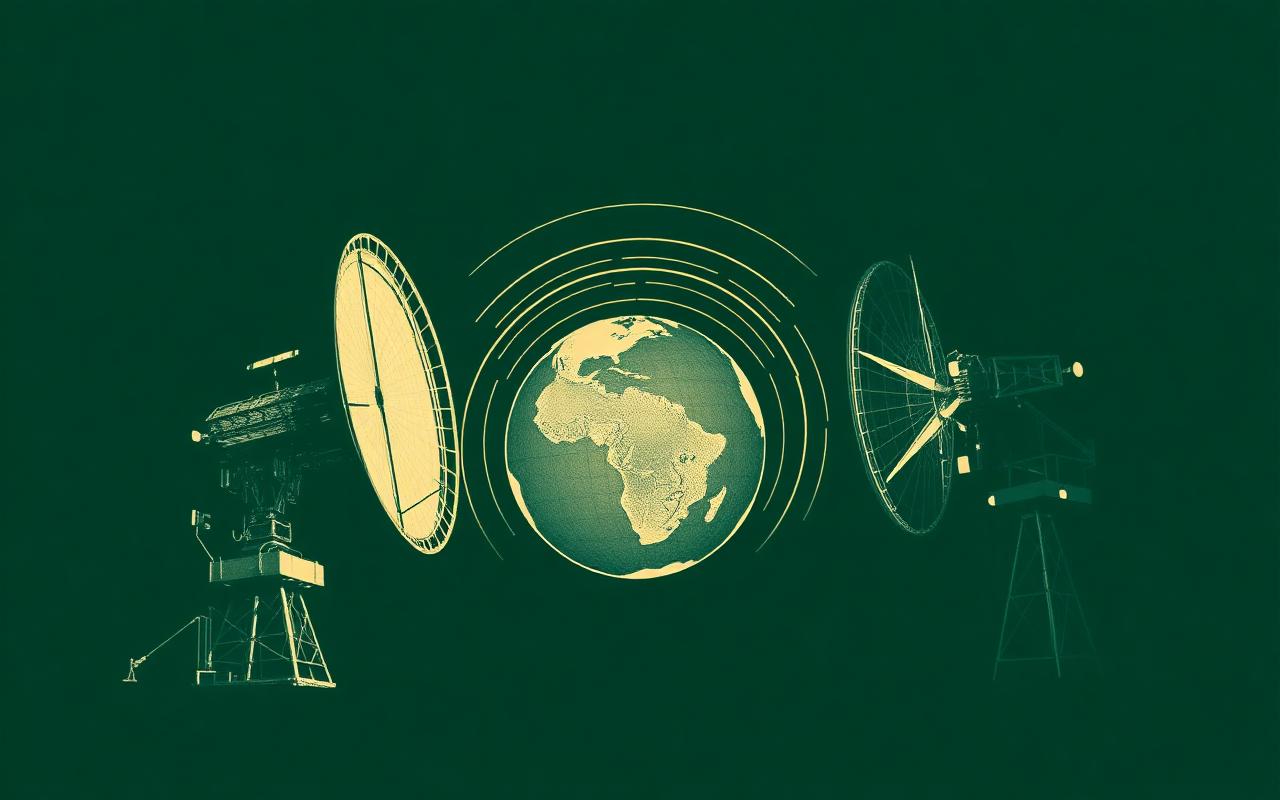
World Christian Broadcasting celebrates fifty years of continuous operation. Two stations on opposite sides of the planet. Eight languages. An estimated reach into 52 countries where the Bible is restricted, dangerous, or illegal. The mission Charles Crain envisioned in 1976 is alive and transmitting.
What Charles Crain envisioned in a Nashville church meeting has become a global infrastructure of hope. The two stations have never gone silent. The mission has never wavered. And the need has never been greater.